Implants vs. Bridges vs. Partial Dentures: Which Is Right for You?
Choosing the right tooth-replacement option can feel overwhelming—especially when each solution offers different benefits, costs, and long-term considerations. Whether you’ve lost a single tooth or several, understanding the differences between dental implants, bridges, and partial dentures can help you make a confident, informed decision about your smile and oral health.
At Hauppauge Dental Implant Center, we use advanced technology and individualized treatment planning to recommend the most reliable option for your needs. Here’s how each treatment compares.
What Are Dental Implants?
Dental implants are titanium posts surgically placed into the jawbone to replace missing tooth roots. Once healed, a custom crown, bridge, or denture attaches to the implant, creating a stable, natural-looking restoration.
Benefits of Dental Implants:
- Longest-lasting tooth-replacement option
- Helps preserve jawbone and prevent bone loss
- Looks, feels, and functions like a natural tooth
- Easy to clean and maintain
- Does not impact surrounding teeth
Best For:
Patients wanting a durable, natural-feeling, single-tooth or full-arch solution.
What Is a Dental Bridge?
A dental bridge replaces one or more missing teeth by anchoring an artificial tooth to the natural teeth beside the gap. Bridges can be fixed (cemented) or supported by implants.
Benefits of Dental Bridges:
- Restores chewing function and aesthetics
- Faster and less invasive than implants
- Good option when surrounding teeth already need crowns
Considerations:
- Requires reshaping the natural teeth on either side
- Does not replace the tooth root or prevent bone loss
- May need replacement every 7–10 years
Best For:
Patients missing one or two teeth who prefer a non-surgical option.
What Are Partial Dentures?
Partial dentures are removable appliances designed to replace several missing teeth at once. They attach using clasps around existing teeth or implant supports.
Benefits of Partial Dentures:
- Most affordable option
- Can replace multiple missing teeth easily
- Easy to adjust or repair
Considerations:
- Not as stable as implants or bridges
- May feel bulkier in the mouth
- Can contribute to bone loss over time
- Requires daily removal and cleaning
Best For:
Patients looking for an economical solution or those not ready for implant treatment.
Comparing the Options: What Matters Most?
1. Longevity
- Implants: 20+ years, often a lifetime
- Bridges: 7–10 years
- Partials: 5–7 years
2. Comfort & Function
- Implants offer the closest feel to natural teeth
- Bridges provide strong function but rely on surrounding teeth
- Partials improve function but may feel less secure
3. Impact on Surrounding Teeth
- Implants: No impact—standalone solution
- Bridges: Require reshaping neighboring teeth
- Partials: Put pressure on surrounding teeth
4. Cost Considerations
Implants have a higher initial cost but are the most cost-effective long-term. Bridges offer a mid-range option, while partial dentures are the most affordable upfront.
So… Which Option Is Right for You?
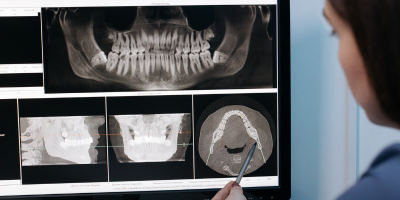
The best choice depends on your oral health, bone structure, goals, and budget. Many patients choose implants for their long-term durability and natural feel, while others prefer bridges or partial dentures for faster or more affordable treatment. A consultation with our team—and 3D imaging if needed—helps us determine your ideal solution.
Whether you need to replace one tooth or several, understanding the differences between implants, bridges, and partial dentures is the first step toward restoring a confident, functional smile. At Hauppauge Dental Implant Center, we’ll guide you through every option and recommend a treatment plan tailored to your needs.
Ready to explore the best solution for your smile? Contact Hauppauge Dental Implant Center today to schedule your consultation.

%20copy%202.png)
.svg)


%20copy.png)
.png)